
In the retail world, understanding the concepts and differences between sell-in and sell-out is fundamental to ensuring the success of any business. But what does each of these terms mean, and how do they impact your sales?
In this article, we will explore the concepts of this strategy in detail, highlighting their differences and how you can use it to maximize your sales and boost your business results.
What are sell-in and sell-out?
Both terms are used to describe different stages of the retail product sales process. Below are the main differences between these concepts:
Sell in
Sell-in is simply the process of selling products between a manufacturer or supplier and a retailer. This is a B2B (Business to Business) negotiation, where the focus is on replenishing the inventory of distributors or resellers.
This process also aims to facilitate the introduction of new products to the market and ensure revenue stability for manufacturers and suppliers, as sales to retailers are recorded immediately.
Sell-in is measured by the quantity of products sold by the supplier, the financial value of the transactions, and the time required for orders to be placed, processed, and delivered.
Sell Out
Sell-out represents the phase in which these products are finally purchased by the end consumer. The goal here is to ensure that retailers’ inventory translates into net revenue.
The success of this stage is evaluated by the quantity of products sold, profit percentage, customer feedback, and level of acceptance. Based on this data, it’s possible to adjust replenishment strategies for future purchases.
Why is it important to align your sell-in and sell-out strategies?
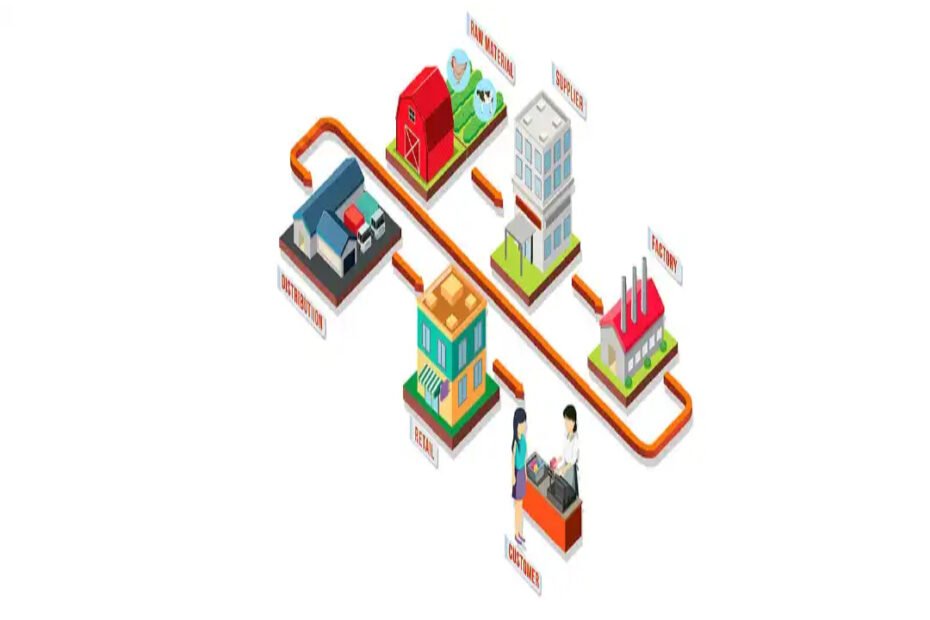
As you may have already noticed, sell-out and sell-in are complementary concepts that form a supply chain where the goal is to ensure that products and goods reach the end consumer.
Therefore, to avoid excess or shortage of any product in stock and to guarantee a satisfactory experience for consumers, it is essential that retailers and suppliers have their sell-in and sell-out strategies very well aligned.
Tips for increasing sales during sell-in
Below are some tips and strategies to implement in your business that can increase your sell-in sales:
- Offer Advantages to Retailers: When negotiating with resellers and retailers, offer special prices and progressive discounts that vary according to the quantity of products purchased, as this will increase your chances of success.
- Invest in Technology: Investing in inventory control software, ERP systems, CRM tools, and marketing automation is an excellent way to increase the efficiency of your business and reduce operational costs.
- Flexible Payment Terms: If possible, propose longer payment terms or flexible conditions. This is a good strategy to make the purchase more attractive to the retailer.
- Free Shipping: To encourage retailers and resellers to place large orders, offer free shipping above a certain value.
- Loyalty Program: Create and implement a loyalty program that rewards retailers for recurring purchases. This can be done in the form of points or discounts for future orders.
- Guarantees and Returns: Establish clear guarantee and return policies as a tool to increase retailer confidence.
Creating more attractive conditions for resellers and retailers through smart strategies is one of the best ways to encourage them to buy more products and strengthen their partnerships.
Tips for increasing sell-out sales
The success of any retailer, and their suppliers, is directly related to the sale of products. Here are some tips on how to increase your sell-out:
- Special Offers and Discounts: To attract new customers, run promotions and special offers such as “buy one, get one free”.
- Digital Marketing: A good digital marketing strategy can help you acquire new customers by driving traffic to your physical and online stores.
- Loyalty Program: To encourage repeat purchases, consider implementing a loyalty program that rewards your customers with discounts or even products.
- Quality Customer Service: Offering quality customer service is essential to ensure your customers have a positive experience and return to buy from your store.
- Store Layout: In both physical and online stores, the layout needs to be optimized to facilitate navigation and product location. This can be done in many different ways and varies according to the niche.
- Keep Stocked: Remember to always keep your stock replenished with the most sought-after products to ensure your customers find what they came looking for.
- Listen to your customers: Conduct satisfaction surveys frequently and pay attention to customer feedback to identify areas that need improvement.
By implementing these techniques in sell-out, it’s possible to offer a more satisfying and efficient shopping experience to your customers, which can help increase your sales in the short, medium, and long term.
Hire a marketing agency to develop your sales process and thus generate more profits for your company.
Have you learned what sell-in and sell-out mean?
We hope our article has helped you understand what sell-in and sell-out are, how they work, their main differences, and how both concepts are fundamental for a supply chain to function correctly.