


As the technology used in apps and devices has evolved over time, user behavior and expectations have also changed.
Currently, technology is part of our daily lives, and these changes have become increasingly impactful, especially when related to the use of mobile devices.
Apps offer numerous functionalities and assist with a wide variety of tasks.
However, some difficulties exist, such as the high processing power of older phones, excessive storage usage, availability in only one app store, etc.
Progressive Web Apps (PWAs) have emerged as an alternative that offers the functionalities and experience of an app within browsers.
This technology allows for a lighter and more inclusive way to access these platforms.
If you are interested in understanding a little better what PWAs are, check out our article.
What is a PWA (Progressive Web App)?
A Progressive Web App (PWA) is a web application developed to use the best features of both web and native applications.
It can be understood as a website created with web technologies that offers the usability of a mobile application when accessed.
This approach also contributes to the user experience, as users don’t need to access the app store to download and install an application.
Furthermore, because it’s a webpage, it can be found more easily on search engines like Google.
All these factors combined help create projects with a greater chance of success, focusing on user experience and reaching a larger audience thanks to ease of access.
What are the main characteristics of a Progressive Web App?
PWAs use various technologies, specific standards, APIs, and other resources.
However, it’s not so easy to tell if a page is a Progressive Web App or not.
For a web app to be classified as such, there are some requirements it needs to meet:
- Work offline.
- Be installable.
- Be searchable by search engines.
- Be shareable via URL.
- Send notifications.
- Be responsive.
- Be secure.
- Use progressive enhancement, allowing any user to access the application’s basic content regardless of browser and offering an optimized version for more modern devices.
What are the main advantages of a PWA?
Understanding the main benefits of PWAs is fundamental to knowing whether it’s worth investing in the development of this type of application.
Advantages for users
- Faster loading
- Better performance on older browsers, poor connections, or offline access
- Features similar to mobile apps
- No need to download from the app store
- Instant updates
Advantages for businesses
- Increased user engagement and conversion
- Leverage search engine reach
- Smooth transition from social media to web app
Where can the Progressive Web App be used?
Below are the main possibilities that PWA technology offers for users and businesses.
Service platforms
The concept has great potential to increase the audience that SaaS (Software as a Service) is able to serve, potentially even reducing development costs.
Chats and social networks
Applying technology can be one of the best ways to offer great browsing experiences and more complex interactions.
This opens up new possibilities for exploring platforms focused on interpersonal relationships and team management.
Home installation
PWAs (Progressive Web Apps) can be added to smartphone home screens just like other applications, eliminating the need to open a browser and visit a website.
To achieve this, users only need to install the app from their browser, but this installation process differs from the standard method.
Since the application is linked to a browser, simply add an icon for the website link to the home screen.
Furthermore, it’s possible to add other functionalities, such as sending notifications and other features that utilize the device’s resources.
Examples of PWA
Below are some examples of PWAs that have been very successful in their implementation.
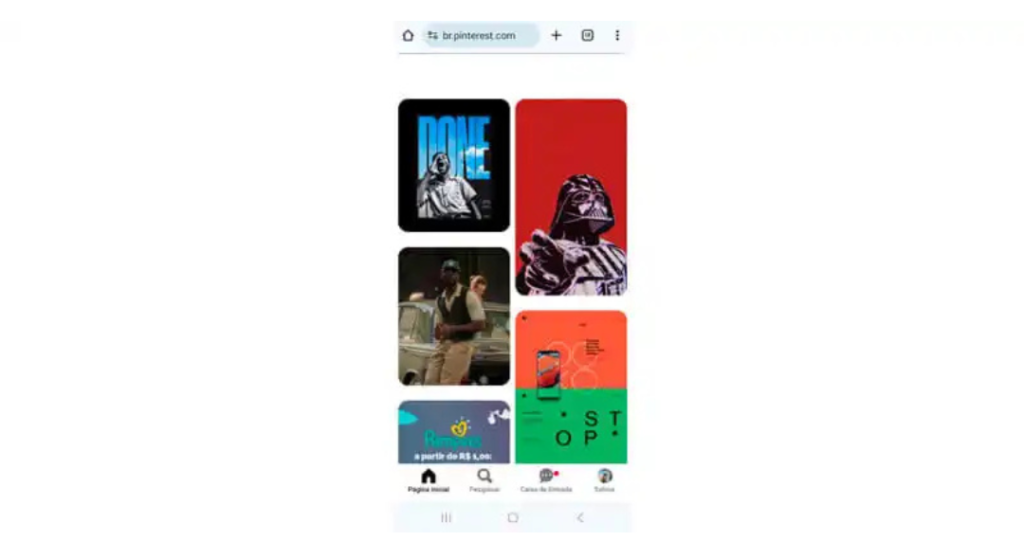
Pinterest invested in becoming a PWA (Progressive Web App) after analyzing that only about 1% of its unauthenticated visitors logged in, created an account, or installed the app.
After that, the web app was developed to offer a better experience and is very similar to the native app.
X (Twitter)
X was one of the pioneers in using Progressive Web Apps, launching versions for Android and Windows.
The social network can be accessed very easily, without delay and without the need to download an app, while offering a great mobile experience.

Spotify
Spotify is one of the most popular streaming platforms in the world and has a PWA version that can be accessed on computers and smartphones.

Do you know what PWA is?
We hope our article has helped you understand what Progressive Web Apps technology is and its importance to user experience.
